The roof of a home is a fundamental aspect of its structure and plays a crucial role in protection and aesthetics. With numerous options available, it’s essential to understand what types of roofs can be installed by residential roofers. This article will explore the various roof types and provide insights to help homeowners make informed decisions.
1. What Are the Most Common Types of Residential Roofs?
1.1 Asphalt Shingles
Asphalt shingles are the most prevalent roofing material in the residential sector due to their cost-effectiveness and ease of installation. They come in a variety of colors and styles, making them adaptable to different architectural designs.
Homeowners appreciate their durability, typically lasting up to 20-30 years when properly maintained. Furthermore, asphalt shingles provide a reasonable level of weather resistance, including protection against wind and rain. These features contribute to their widespread popularity among homeowners seeking a balance between affordability and performance.
The installation process of asphalt shingles is straightforward, requiring less time and labor cost compared to other materials. This not only makes them a preferred choice for new constructions but also for roof replacements. Due to their lightweight nature, asphalt shingles do not necessitate additional structural support, further reducing installation costs. Additionally, advancements in manufacturing have led to improved design options, including architectural shingles that offer enhanced visual appeal. It is this combination of factors that continues to drive their popularity in the roofing market.
Asphalt shingles are also known for their impact on home resale value. This roofing option can enhance curb appeal, which is a significant factor when selling a home. Prospective buyers often look for homes with well-maintained roofs that would not require immediate replacement, making houses with asphalt shingles attractive. Moreover, their affordability means they can be replaced without a significant financial burden. Overall, asphalt shingles remain a top choice for many homeowners due to their numerous benefits and versatility.
1.2 Metal Roofing
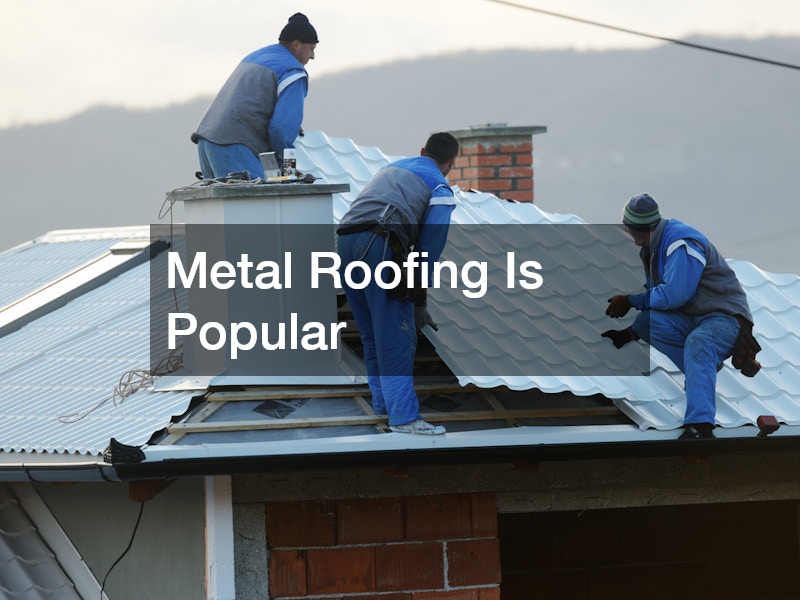
Metal roofing has gained prominence due to its superior durability and long lifespan. Typically lasting between 40 to 70 years, metal roofs are a sound investment for homeowners seeking long-term savings. They are available in different forms, such as panels and shingles, each offering unique aesthetic and practical advantages. Metal roofing is highly appreciated for its resistance to harsh weather conditions, including heavy rains and strong winds. Additionally, the reflective nature of metal helps in reducing energy costs by reflecting sunlight away from homes.
A significant advantage of metal roofing is its sustainability. Many metal roofs consist of recycled materials and can be fully recycled at the end of their lifespan, reducing environmental impact. This makes metal roofing an eco-friendly option compared to traditional materials, which often end up in landfills. The initial cost of metal roofing may be higher; however, the long-term savings and environmental benefits make it a worthwhile investment. Homeowners who prioritize sustainability and durability often opt for metal roofing.
Furthermore, metal roofing offers aesthetic versatility with a variety of color and finish options. Whether seeking a contemporary look or a more traditional appearance, metal roofs can accommodate diverse architectural styles. This versatility has contributed to the growing popularity of metal roofs in residential settings. The low maintenance requirement of metal roofs adds to their appeal, as they need minimal upkeep compared to other roofing types. The combination of style, sustainability, and longevity solidifies metal roofing as a top choice among residential roofers.
1.3 Wooden Shakes and Shingles
Wooden shakes and shingles are celebrated for their natural beauty and the rustic charm they bring to homes. They are crafted from various types of wood, including cedar, redwood, and pine, with cedar being the most popular due to its durability and resistance to insects. This type of roofing suits homes aiming for a traditional or countryside aesthetic, complementing the natural surroundings and landscape. However, wooden roofing requires meticulous maintenance to prevent decay and extend its lifespan. Regular treatments and inspections are necessary to protect wooden roofs from rot, mold, and insect damage.
Despite the higher maintenance needs, many homeowners are drawn to wooden roofing for its unique appearance. Over time, wooden shingles develop a patina, enhancing their visual appeal and character. While more expensive upfront compared to asphalt shingles, the investment in wooden roofing is often justified by its distinctiveness and environmental friendliness. Wood is a renewable resource, and when sourced responsibly, it contributes to sustainable building practices. The natural insulation provided by wood also adds to its value in terms of energy efficiency.
In terms of installation, wooden shingles require skilled craftsmanship to achieve proper alignment and ensure effective protection. This may increase initial labor costs; however, when installed correctly, wooden roofs can last between 30 to 40 years. Homeowners considering wooden shakes or shingles must weigh the aesthetic benefits against the maintenance requirements and costs. For those willing to invest in regular upkeep, wooden roofing offers a timeless elegance that enhances a property’s charm and distinctiveness.
1.4 Tile Roofing
Tile roofing is renowned for its longevity and traditional beauty, often seen gracing Mediterranean and Spanish-style homes. Made from materials such as clay or concrete, tiles offer exceptional durability and can last over 50 years with proper care. Tile roofs are highly resistant to fire and wind, making them a secure choice for various climates. One of the distinct advantages of tile roofing is its capacity to maintain the home’s internal temperature, thereby enhancing energy efficiency. This ability to regulate air flow and temperature can result in lower heating and cooling costs.
The visual appeal of tile roofing lies in its rich, textured appearance and variety of colors and styles. Homeowners can choose from classic terracotta to more contemporary finishes, allowing tile roofs to complement different architectural designs. The aesthetic versatility of tile roofing contributes to its strong market demand despite its higher price compared to other materials. The substantial weight of tile roofing requires additional support, which can increase installation costs and complexity. However, for those seeking a long-lasting roofing solution with significant curb appeal, the investment in tiles can be a rewarding decision.
While tile roofing provides enduring benefits, it is essential to consider the structural implications of its weight. Homes must have adequate support systems to handle the heavy load, which may involve structural modifications. Additionally, homeowners should account for the expertise required to install and maintain tile roofs effectively. Despite these considerations, tile roofing remains a favorite among those desiring a lasting, beautiful, and efficient roofing option. It’s often viewed as a considerable investment due to its ability to enhance property value and architectural elegance.
1.5 Slate Roofing
Slate roofing stands out for its unparalleled durability and elegant appearance, known for lasting over a hundred years. Sourced from natural stone, slate tiles provide an unmatched level of sophistication and timelessness. They offer excellent fire resistance and exceptional resistance to water absorption, making them suitable for various climatic conditions. However, the weight of slate tiles also necessitates a robust supporting structure, adding to installation expenses. Despite the high upfront cost, the longevity of slate roofing can justify the investment by eliminating the need for frequent replacements.
Another advantage of slate roofing is its minimal environmental impact. As a natural material, slate is a sustainable choice and can be recycled without causing significant environmental harm. The aesthetic beauty of slate is often a major selling point, offering deep shades and textures that enhance any home’s exterior. Historically, slate has been a preferred material for grand architectural projects, lending an air of prestige and historical interest. Homeowners desiring a beautiful, environmentally conscious roof that stands the test of time often gravitate toward slate as the ideal material.
The installation of slate roofing requires specialized skill and experience, as improper installation can lead to roofing issues and reduced lifespan. It’s vital for homeowners to engage experienced contractors to handle the precise work required for slate installation. While maintenance requirements are minimal once properly installed, occasional inspections are essential to address any potential damage promptly. The unmatched durability and aesthetics of slate make it a lucrative choice despite its challenges, attracting homeowners seeking to invest in a long-lasting and impressive roofing solution.
2. How Do You Choose the Best Roofing Material For Your Home?
2.1 Assessing Climate Considerations
The climate in which a home is located plays a pivotal role in determining the most suitable roofing material. Different materials offer varying degrees of protection against environmental factors such as wind, rain, and temperature changes. In regions prone to heavy snowfall, materials like slate and metal may be preferred for their resistance to moisture and ability to shed snow. Conversely, in hotter climates, roofing options like clay tiles or metal can efficiently reflect sunlight and reduce cooling needs. Analyzing climate-specific needs ensures that the chosen roofing material provides optimal protection and longevity.
Furthermore, consideration of climate includes evaluating potential damage from storms or high winds. Material resilience in such conditions is crucial for maintaining the integrity of the roofing system. Coastal areas, where salt and humidity are factors, may require materials like metal that can resist corrosion better than others. By understanding the weather patterns and challenges associated with a particular region, homeowners can make informed decisions that enhance their roof’s durability and performance. Engaging with local contractors who have experience in installing climate-appropriate roofs provides added assurance in making the right choice.
In addition to regional climate, homeowners should consider their own tolerance for maintenance. Some materials, while effective against local weather, may require regular maintenance to maintain their integrity. This includes addressing the impact of seasonal changes that may affect roofing materials differently. By taking a comprehensive approach to assessing climate considerations, homeowners can select a roofing material that not only protects their home but also aligns with their long-term maintenance capabilities. Such careful selection helps ensure a well-protected and efficient home for years to come.
2.2 Evaluating Budget Constraints
Budget is a critical factor in the decision-making process for choosing a roofing material. While some materials like slate and metal might offer superior longevity and resilience, their upfront costs can be prohibitive for many homeowners. It’s important to assess the available budget not only in terms of initial installation costs but also in terms of long-term value. For example, while asphalt shingles may initially seem more affordable, the need for eventual replacement must be considered in the overall cost analysis. Prioritizing a balance between cost and quality is key to making the most economical choice.
Homeowners should also factor in hidden costs that may arise during installation or maintenance. For instance, heavier materials such as tile and slate require additional structural support, potentially increasing labor and materials costs. Understanding these additional expenses is crucial for creating an accurate budget that avoids financial pitfalls. Moreover, considering potential savings from energy efficiency, insurance discounts, and increased property value can offset initial expenditures. A thorough and realistic assessment of financial resources ensures that the selected roofing material suits both immediate needs and future planning.
Budget constraints should also be considered in the context of a homeowner’s long-term goals for their property. For those planning to stay in their home for many years, investing in a durable and efficient roofing material can offer greater savings through reduced maintenance and replacement frequency. Conversely, those anticipating a move may prioritize cost-effective solutions that enhance resale value without excessive expenditure. Being mindful of these factors aids homeowners in making a financially sound decision that aligns with their personal circumstances and aspirations.
2.3 Considering Aesthetic Preferences
Aesthetic preferences are significant in choosing a roofing material, as the roof contributes considerably to a home’s curb appeal. The variety of colors, textures, and styles offered by different materials can complement or contrast with the architectural design of the home. For example, wooden shakes offer a rustic charm that pairs well with natural landscapes, while metal roofing offers a sleek, modern appearance. Homeowners should consider their personal style, neighborhood trends, and the overall look they wish to achieve when selecting a roofing material. This balance ensures a visually appealing result that enhances the property’s value.
The integration of aesthetic preferences with practical considerations creates a harmonious living environment. It is possible to achieve a desired look without compromising on functionality by exploring various options and variations within a chosen material. For example, modern manufacturing techniques provide asphalt shingles with a wide range of styles, including those resembling higher-end materials like wood or slate. Such innovations allow homeowners to achieve luxury aesthetics without incurring prohibitive costs. By prioritizing both aesthetic and practical aspects, homeowners can enjoy a satisfying and visually pleasing result.
Aesthetic preferences also play a role in neighborhood cohesiveness and compliance with local regulations. Some areas may have restrictions on certain roofing types or colors to maintain a consistent community appearance. Being aware of and adhering to these guidelines prevents potential legal issues and maintains property values within the area. Engaging with local contractors and designers can help homeowners select materials that meet community standards while reflecting their individuality. These considerations ensure an informed and harmonious choice that enhances the beauty and compatibility of the home within its environment.
2.4 Assessing Energy Efficiency
Energy efficiency is a growing concern for many homeowners seeking to reduce their carbon footprint and utility bills. Roofing materials play a crucial role in regulating a home’s internal temperature and energy consumption. Materials such as metal and tile have inherent energy-efficient properties due to their reflective capabilities, helping to keep homes cooler by deflecting sunlight. Additionally, homeowners can opt for materials with specialized coatings or treatments that further enhance reflective qualities. Such energy-efficient choices contribute to significant savings, particularly in regions with extreme temperatures.
Furthermore, proper insulation and ventilation are integral to maximizing the energy efficiency of any roofing material. Ensuring that the roof’s design promotes efficient air circulation and prevents heat buildup is essential for maintaining comfortable indoor temperatures. In tandem with energy-efficient materials, these systems work to reduce the load on heating and cooling appliances, contributing to lower energy consumption. Residential roofers can provide valuable advice on optimizing roofing systems for maximum energy efficiency, ensuring both comfort and cost savings.
Homeowners should also consider the long-term benefits of selecting an energy-efficient roofing material. Not only do energy savings provide immediate financial relief, but they also enhance the property’s sustainability and appeal to environmentally conscious buyers. As energy prices continue to rise and environmental regulations tighten, investing in energy-efficient roofing becomes increasingly advantageous. By prioritizing energy efficiency in their roofing choice, homeowners can create a more sustainable and cost-effective living space that benefits both their finances and the environment.
2.5 Long-Term Maintenance Requirements
Maintenance requirements are an essential consideration when selecting a roofing material, as they influence the roof’s longevity and performance. Roofing materials differ in their upkeep needs, with some requiring more frequent inspections and repairs than others. For instance, wooden shakes necessitate regular treatment against rot and insect damage, while metal roofs are relatively low-maintenance due to their durability. Understanding the level of care required helps homeowners choose a material that aligns with their commitment to upkeep and maintenance capabilities.
Long-term maintenance costs should also be considered in conjunction with initial investment decisions. While some materials like slate or tile may be more expensive upfront, their minimal maintenance needs can result in lower total expenditure over time. Conversely, less costly materials might demand frequent repairs, leading to cumulative expenses that neutralize initial savings. A comprehensive evaluation of lifetime maintenance costs aids in making an economically sound choice that provides lasting value and satisfaction.
Additionally, availability of professional services for maintenance can influence roofing material choices. Homeowners should ensure that skilled contractors and repair services are accessible for ongoing support and repairs. Engaging with reputable roofing professionals ensures that maintenance is conducted effectively, prolonging the life of the roof and maximizing its benefits. By considering maintenance needs alongside other factors like cost and aesthetics, homeowners can make deliberate choices that support their long-term homeownership goals and ensure the continued integrity of their investment.
3. What Are the Benefits of Installing a Metal Roof?
3.1 Longevity and Durability
Metal roofs are renowned for their exceptional longevity and durability, often lasting up to 50 years or more. Their resilience to common roofing adversities, such as strong winds, rainfall, and hail, makes them a preferred choice for areas with challenging weather conditions. The durability of metal roofs significantly reduces the likelihood of damages, thereby minimizing the need for frequent repairs or replacements. This longevity translates into significant cost savings over time, as homeowners are less likely to incur the frequent replacement and maintenance expenses associated with less durable materials. For many, the upfront investment in a metal roof is more than justified by the long-term benefits it provides.
Furthermore, metal roofs do not suffer from the same vulnerabilities as other materials, such as cracking, warping, or erosion. They are constructed to withstand extreme temperatures, making them suitable for varied climates, from cold and snowy regions to hot and sunny areas. The non-combustible nature of metal adds an additional layer of safety, proving invaluable in reducing fire hazards. These factors contribute to a rock-solid roofing option that is not only durable but also reduces its environmental footprint by minimizing waste over its lifespan. Overall, the unmatched durability of metal roofs makes them a prudent choice for decisive homeowners.
In addition to practical benefits, the robust nature of metal roofs enhances the overall value of a home. A metal roof can be a strong selling point, reassuring potential buyers of the property’s long-term durability and associated savings. As a result, homes with metal roofs often enjoy increased property value compared to their conventional counterparts. Homeowners investing in metal roofing can rest assured knowing they are contributing to their property’s lasting value and appeal, backed by a robust and resilient roofing solution. This enhanced value can prove beneficial should the need or desire to sell the property arise in the future.
3.2 Energy Efficiency
One of the standout benefits of metal roofing is its remarkable energy efficiency capabilities. The reflective properties inherent to metal roofs reduce heat absorption, effectively deflecting sunlight away from the home. This heat reduction significantly lowers indoor temperatures during warmer months, cutting down on air conditioning costs and energy usage. Moreover, certain metal roofs are designed with special reflective coatings that enhance solar reflectivity and emissivity, further bolstering energy savings. The upfront investment in a reflective metal roof can quickly be recouped through these ongoing savings, making it an attractive option for energy-conscious homeowners.
Alongside reflective properties, metal roofs offer excellent insulation qualities, ensuring homes remain warm in colder months. This consistent temperature regulation is conducive to a comfortable living environment, while also supporting efficient energy use year-round. Homeowners will find that the energy efficiency of metal roofing alleviates strain on heating systems, improving overall energy efficiency and reducing utility costs. As energy costs rise, and environmental consciousness grows, having an energy-efficient roof becomes a practical and financially sound investment that aligns with modern sustainability goals.